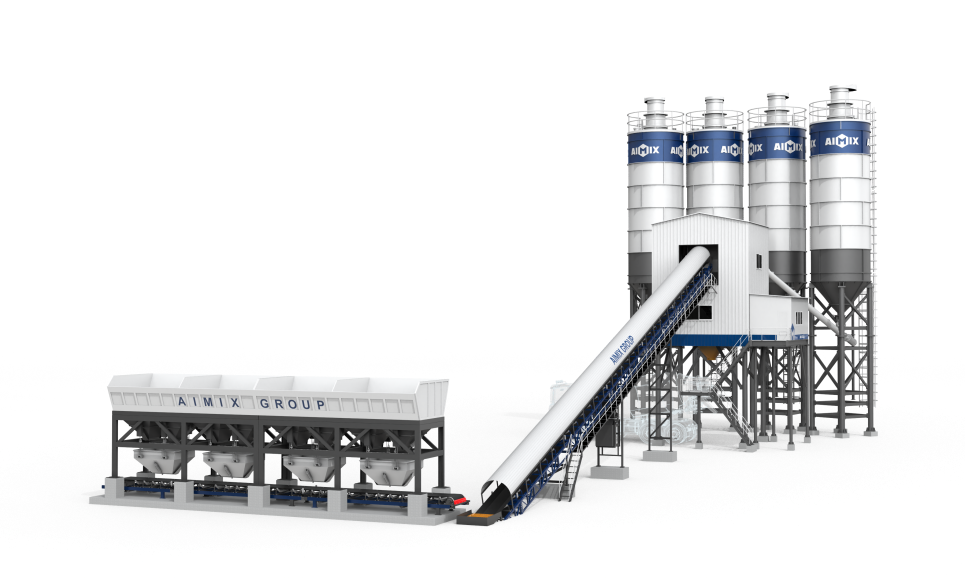
Soil cement mixers play a crucial role in modern construction, offering an efficient and cost-effective method for stabilizing soil and enhancing the foundation of various structures. These machines are specifically designed to blend soil with cement and water uniformly, creating a durable mixture that significantly improves soil strength and load-bearing capacity. This process is essential in construction projects where the natural soil lacks the necessary stability or durability required for building safe and long-lasting structures.
The primary application of soil cement mixers is in road construction, where they are used to prepare the base layers. Roads require strong foundations to withstand heavy traffic loads and environmental stresses such as rain, heat, and freeze-thaw cycles. By mixing local soils with cement on-site using these mixers, engineers can create a stabilized sub-base that reduces maintenance costs over time while providing excellent support for asphalt or concrete surfaces. This approach not only saves transportation costs associated with importing aggregate materials but also promotes sustainable construction practices by utilizing available resources efficiently.
In addition to roadways, soil cement mixers find extensive use in constructing embankments, retaining walls, parking lots, airport runways, and industrial flooring. Embankments built with stabilized soil mixtures exhibit enhanced resistance against erosion and settlement issues compared to untreated soils. Retaining walls constructed on stabilized bases benefit from improved structural integrity due to reduced lateral pressure caused by shifting soils beneath them.
Another significant advantage of using soil cement mixers lies in their ability to facilitate rapid project completion without compromising quality standards. Traditional methods involving separate processes for excavating soil, transporting it offsite for treatment or replacement with imported fill material often lead to increased labor costs and longer timelines. Soil cement mixing equipment streamlines this workflow by allowing immediate onsite stabilization tailored precisely according to project specifications.
Furthermore, these mixers contribute positively towards environmental sustainability within the construction industry by minimizing waste generation through reuse of existing site materials rather than discarding them as spoilage or landfill material. The reduction in carbon footprint achieved through decreased transportation requirements aligns well with global efforts aimed at reducing greenhouse gas emissions during infrastructure development phases.
Technological advancements have further enhanced the functionality of modern soil cement mixers by integrating computerized control systems that monitor mix proportions continuously ensuring consistency throughout operations regardless of varying field conditions such as moisture content or particle size distribution within native soils.
Overall, the versatility offered by soil cement slurry mixer applications makes them indispensable tools across diverse civil engineering projects seeking reliable ground improvement solutions combined with economic viability and ecological responsibility-all critical factors shaping today’s infrastructure landscape globally.